- Home
- About Us
- Products
- Pneumatic Cylinder
- Mounting Of Cylinder
- Direction Control Valves
- Control Valves
- Actuator & Positioner
- Air Source Treatment (F.R.L.)
- Push In Fittings
- Male Connector (CPC)
- Female Connector (CPCF)
- Male Elbow (CPL)
- Straight Thread Tee (CBP)
- Flow Control (CSL)
- Equal Uninon (CPU)
- Equal Elbow (CPV)
- Equal Y (CPY)
- Equal Tee (CPE)
- Union Cross (CPZA)
- Inline Flow Control (CLSA)
- Bulk Head Union (CPM)
- Hand Valve (CHVFF)
- Unequal Y (CPWY)
- Unequal Tee ( CPGT)
- Unequal Union (CPG)
- Air Silenser BSL
- Air Silenser BSLM
- Air Silenser BESL
- Pu (Polyurethane) Tube
- Pneumatic Components
- Updates
- Gallery
- Contact Us
Inline Flow Control (CLSA)
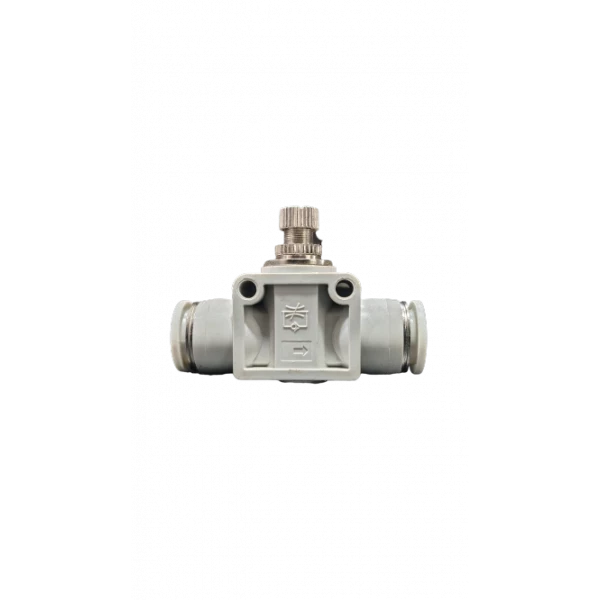
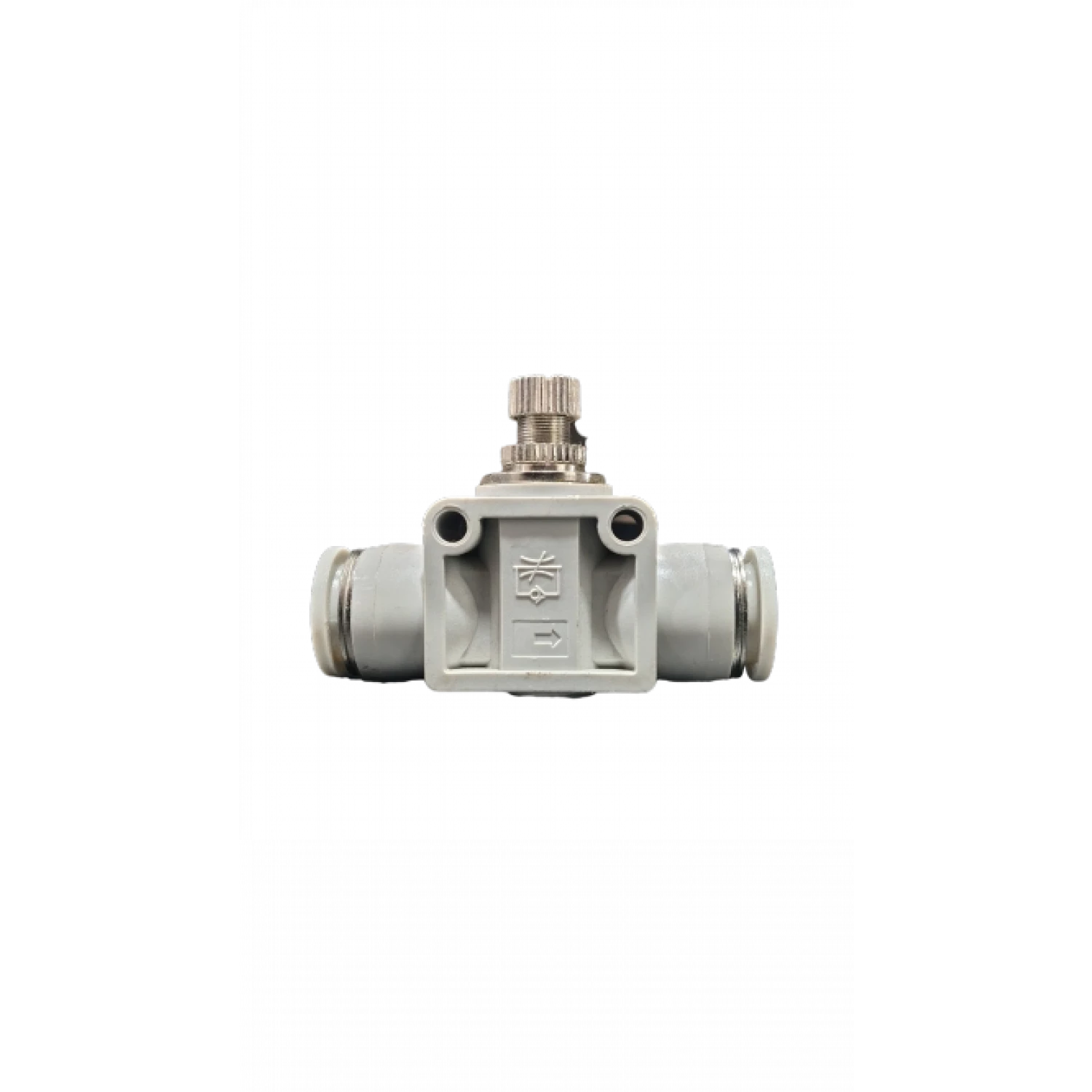
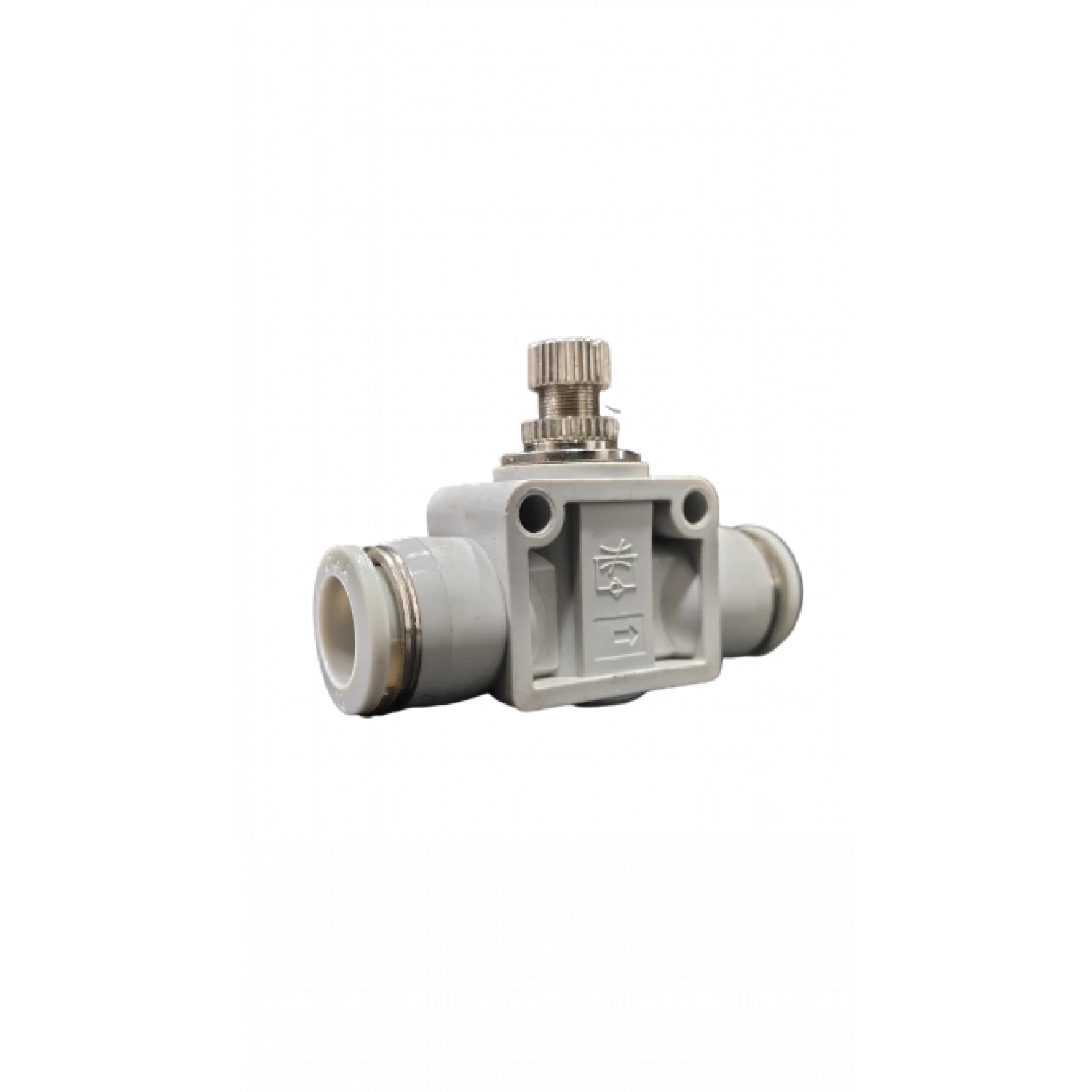
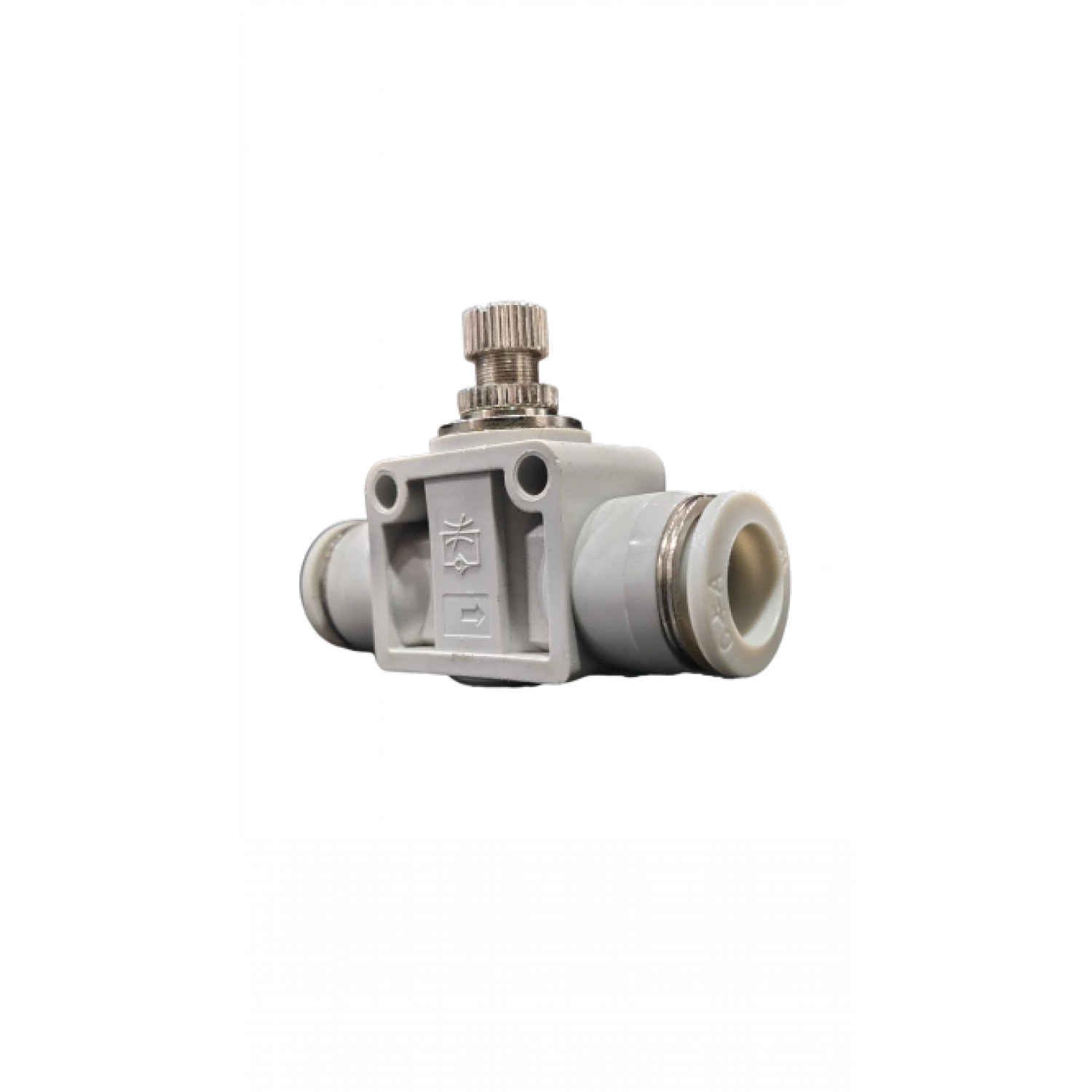
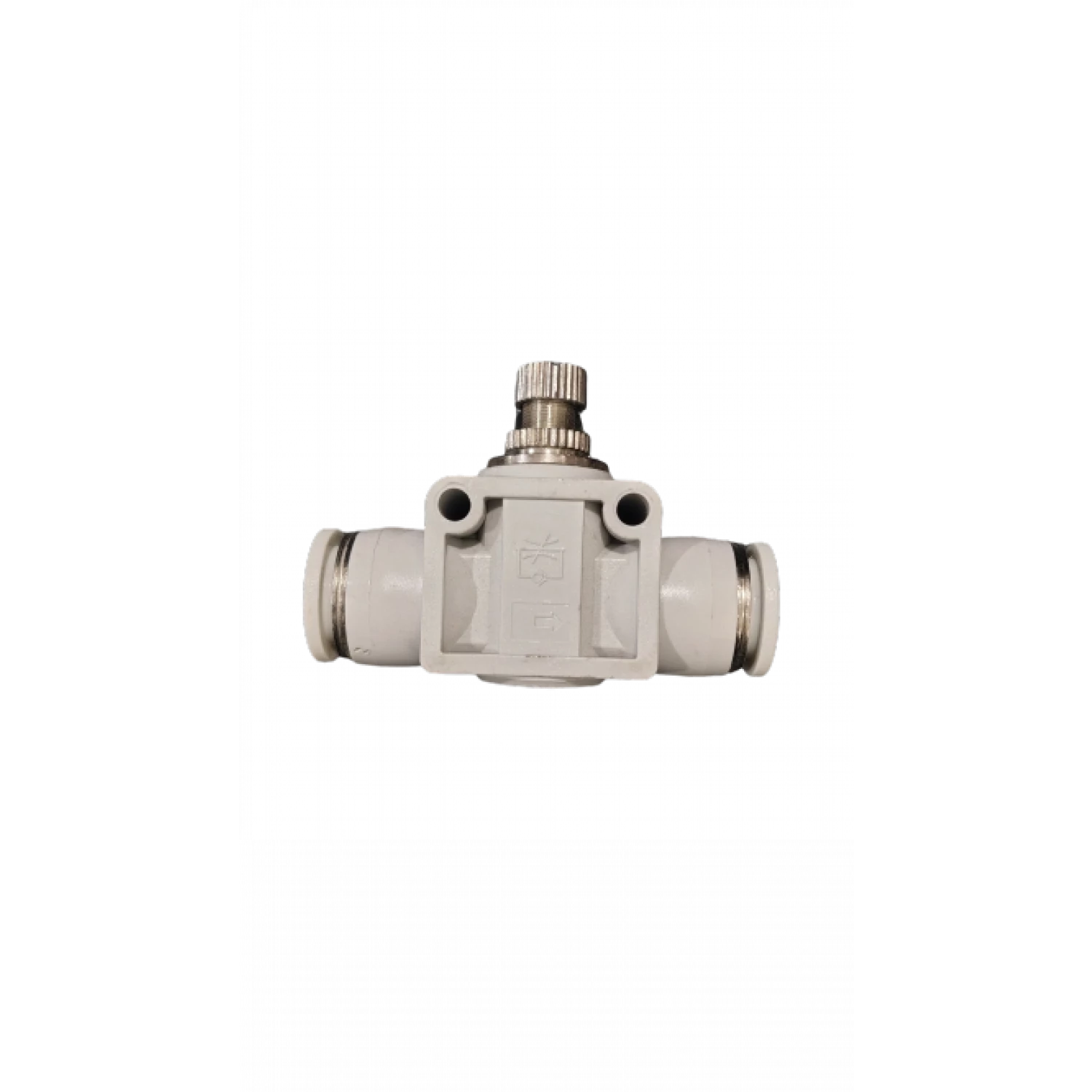
Inline Flow Control (CLSA) Details
Speed control in pneumatic systems is not only about pressure adjustment, it is more about how smoothly air is allowed to pass in the line. That’s where Inline Flow Control (CLSA) becomes useful. Cosmic Airmatics is manufacturing and supplying Inline Flow Control (CLSA) in Ahmedabad for applications where precise airflow adjustment is required directly on the tube line.
Inline Flow Control (CLSA) is designed to regulate air flow inside pneumatic tubing without disturbing the overall circuit layout. It allows controlled adjustment of cylinder speed by restricting or allowing air passage in a fine-tuned manner. This makes it useful in automation systems, packaging machines, and light industrial equipment where smooth motion is important.
In many setups, users adjust speed only from regulator or valve side. That approach does not give consistent results because flow is not controlled at the exact point of movement. Inline flow control solves this issue, but only when installed in correct direction and matched with tube size and flow requirement.
Then there’s the matter of adjustment setting. If the control knob is too loose or too tight, precise tuning becomes difficult. Air quality also affects performance, as dust or oil particles can restrict internal passage over time. We focus on smooth adjustment mechanism and stable flow control so the system maintains consistent operation.
We are supplying Inline Flow Control (CLSA) in Ahmedabad, across Gujarat, and to different industries in India where controlled cylinder speed and stable pneumatic movement are required.
If your system is facing uneven speed, jerky motion, or control issues, you can share your requirement with us. We will check and suggest suitable flow control options that match your setup and maintain steady performance.
Related Products
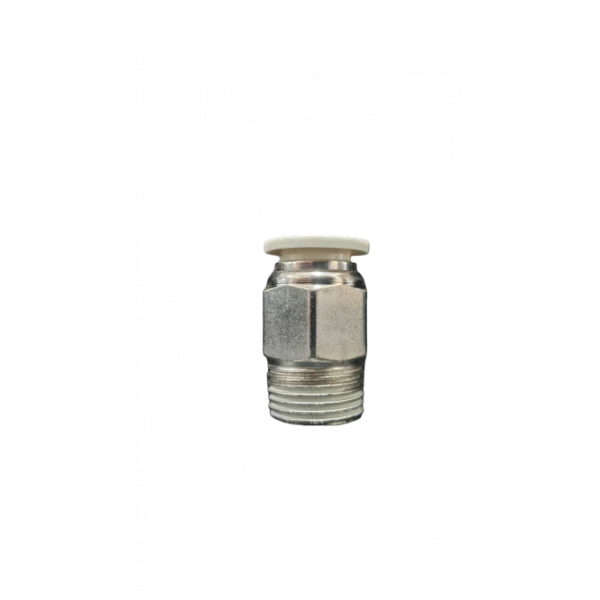
Male Connector (CPC)
Pneumatic tubing connections look small, but they decide how stable the full air line behaves. Even a slight leakage or ... Continue
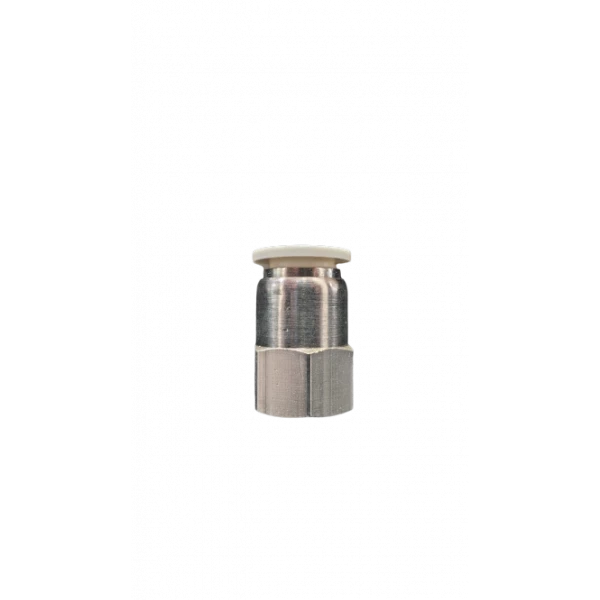
Female Connector (CPCF)
Tube connections in pneumatic systems may look small, but one weak joint can disturb the whole pressure line. That&rsquo... Continue
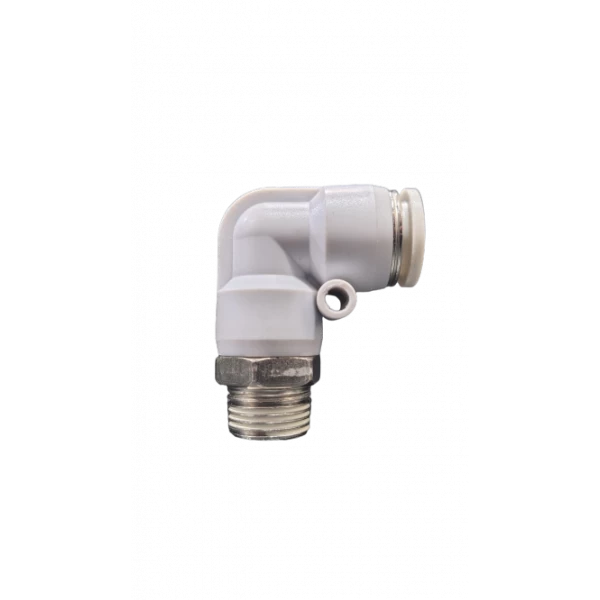
Male Elbow (CPL)
Space is often the real problem in pneumatic piping, not pressure. Straight fittings don’t always fit neatly insid... Continue
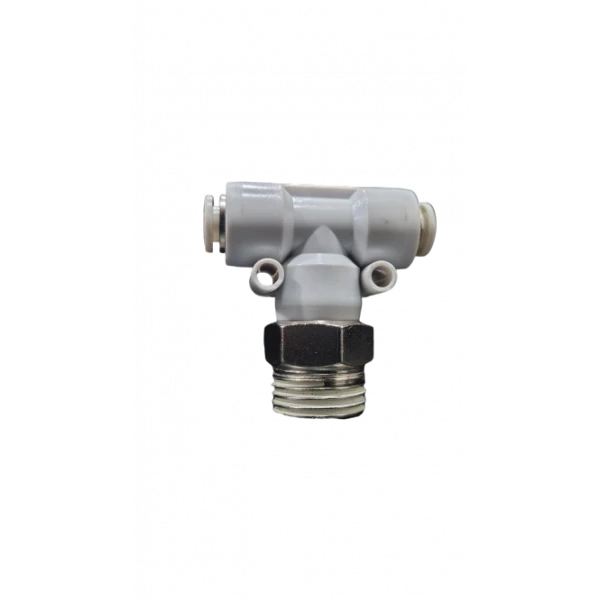
Straight Thread Tee (CBP)
Pneumatic lines often need one air source to feed multiple directions without disturbing pressure balance. That’s ... Continue
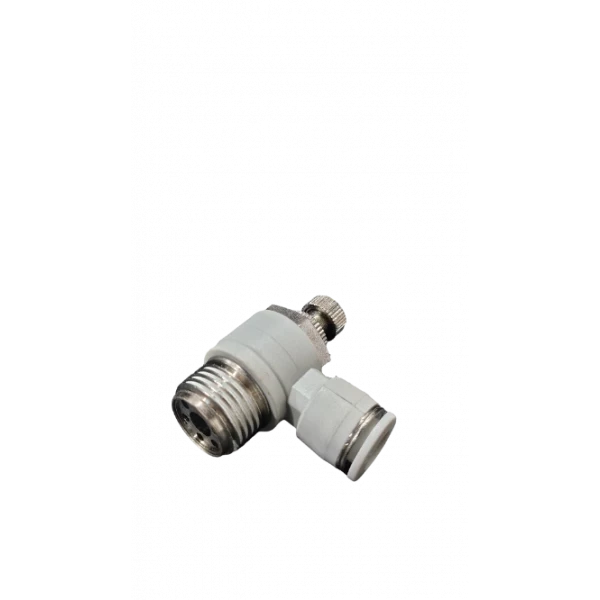
Flow Control (CSL)
Speed control in pneumatic systems is not always about pressure. Many times, the real requirement is to control how fast... Continue
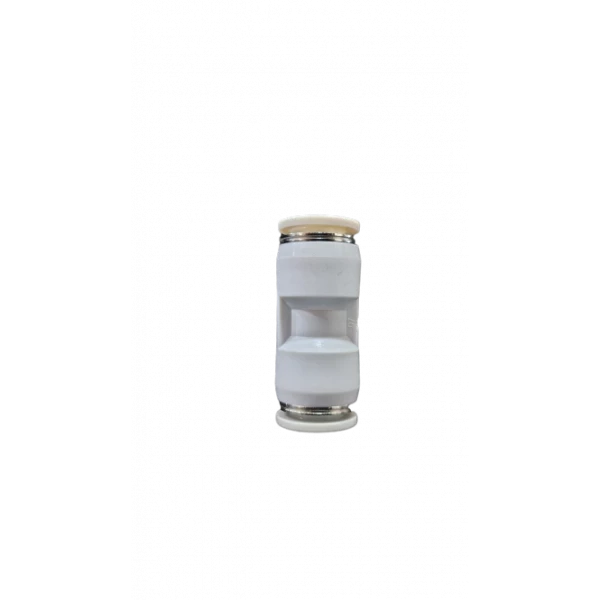
Equal Uninon (CPU)
Pneumatic piping systems depend heavily on how securely two tube ends connect without leakage or pressure drop. Even a s... Continue
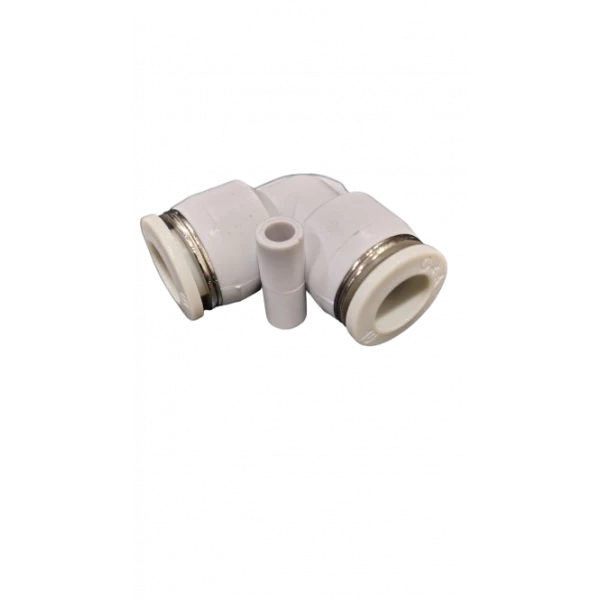
Equal Elbow (CPV)
In pneumatic piping, direction changes are as important as straight flow. Poor routing creates stress on tubes and leads... Continue
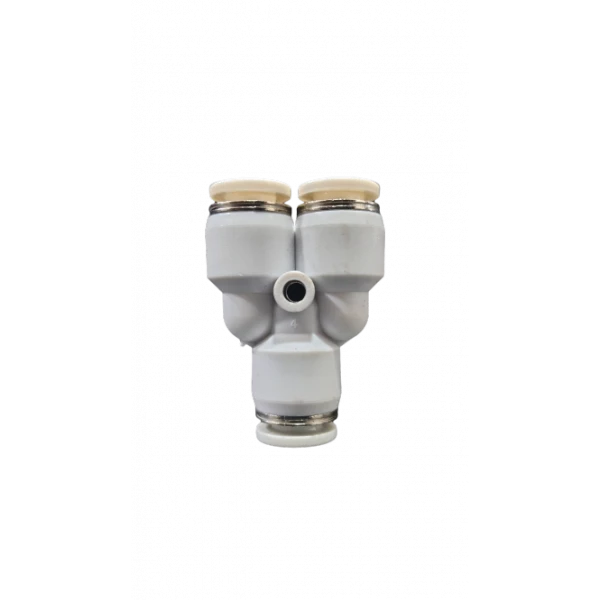
Equal Y (CPY)
Pneumatic systems often need air to split in more than one direction without disturbing pressure balance. That’s w... Continue
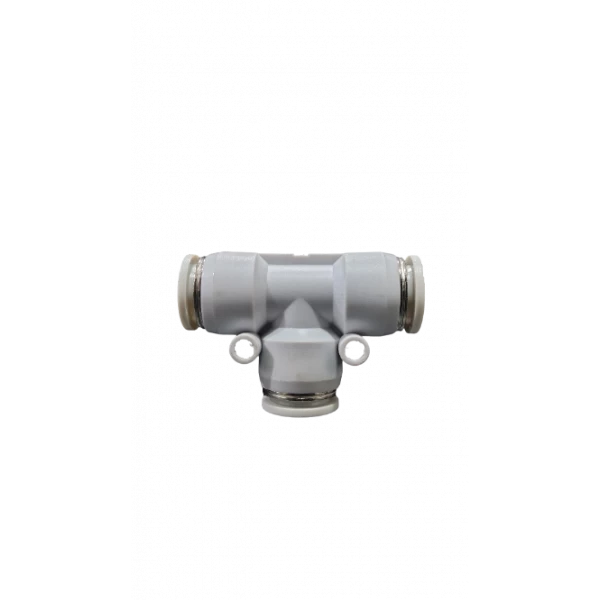
Equal Tee (CPE)
Air distribution in pneumatic systems is never only about flow. It is about keeping pressure stable while splitting line... Continue
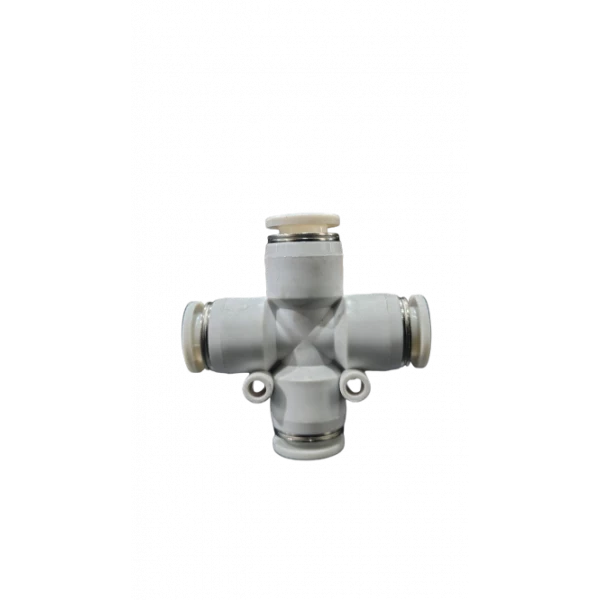
Union Cross (CPZA)
Pneumatic piping layouts sometimes need multiple lines to meet at a single point, especially in compact automation syste... Continue
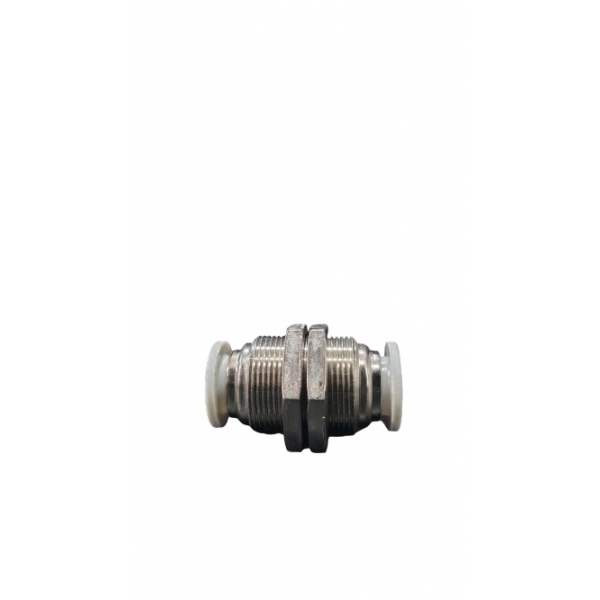
Bulk Head Union (CPM)
Pneumatic piping inside machines often needs to pass through panels, cabinets, or partition walls. Without proper suppor... Continue
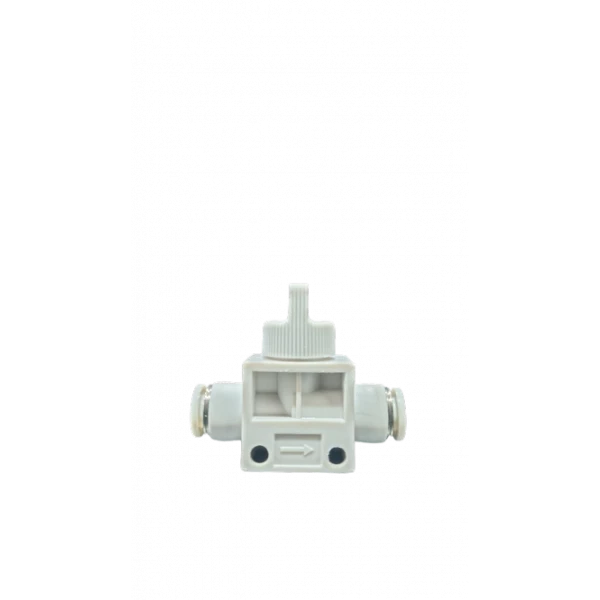
Hand Valve (CHVFF)
Not every pneumatic system needs automation all the time. In many setups, operators still prefer direct manual control f... Continue
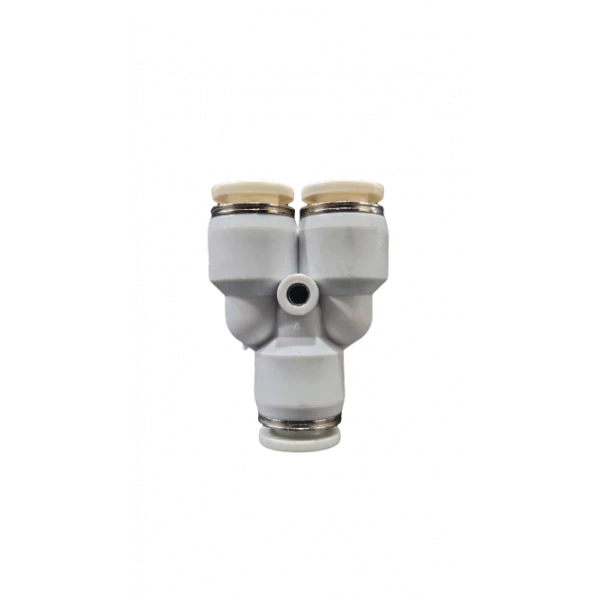
Unequal Y (CPWY)
Pneumatic systems don’t always split air equally. Some machines need one line to carry more flow while the other n... Continue
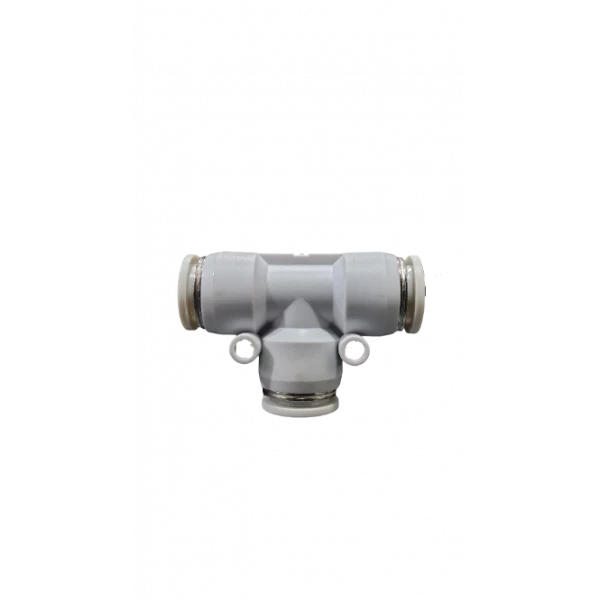
Unequal Tee ( CPGT)
In pneumatic layouts, not every branch carries the same requirement. Some lines need higher flow, while others only need... Continue
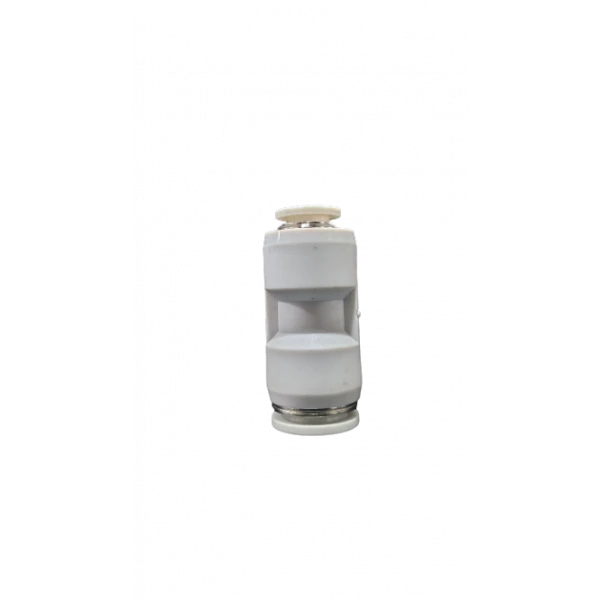
Unequal Union (CPG)
In many pneumatic layouts, tube sizes don’t always stay the same from one section to another. Machines get modifie... Continue
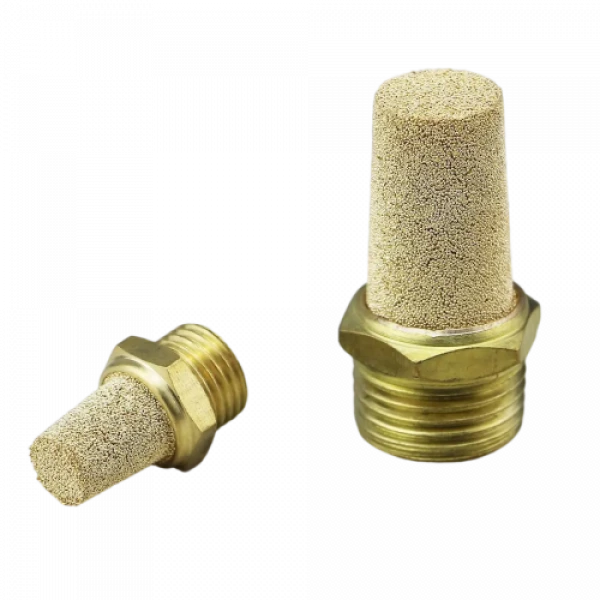
Air Silenser BSL
Compressed air exhaust is often ignored in pneumatic systems, but it directly affects noise level and working environmen... Continue
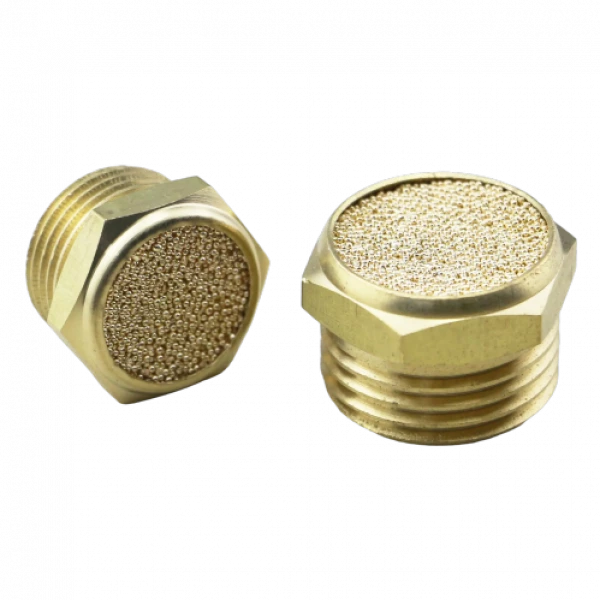
Air Silenser BSLM
In pneumatic systems, exhaust air does not just create noise, it also affects working comfort around machines. When mult... Continue
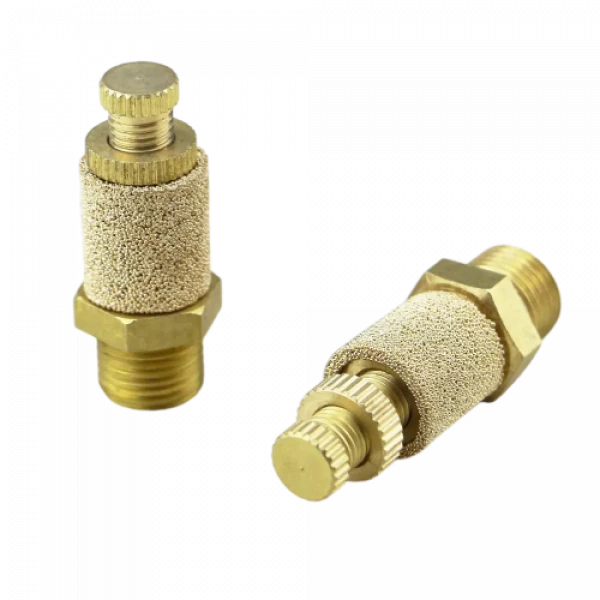
Air Silenser BESL
Pneumatic exhaust noise is not only a comfort issue, it also affects operator focus and overall machine environment. Whe... Continue